What is Graphene
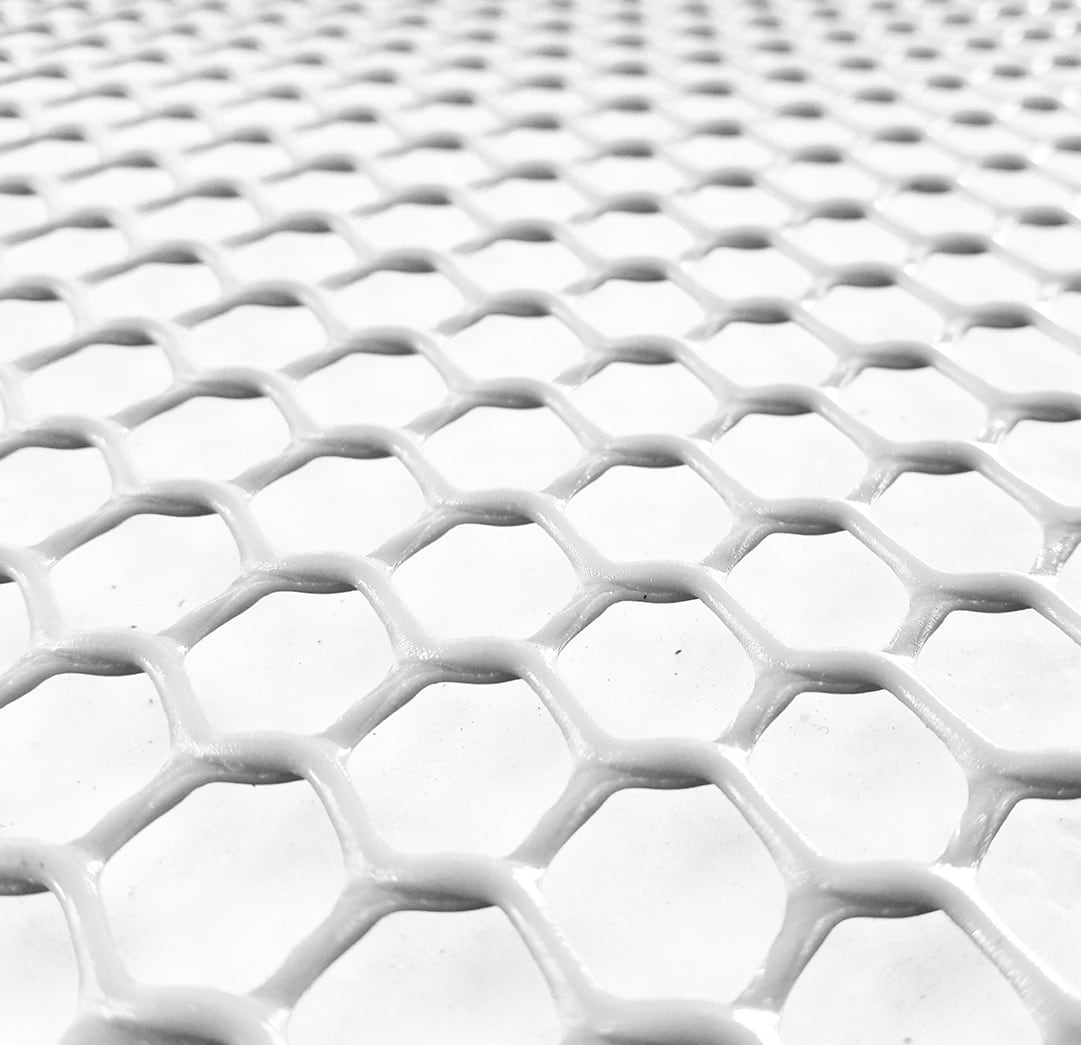
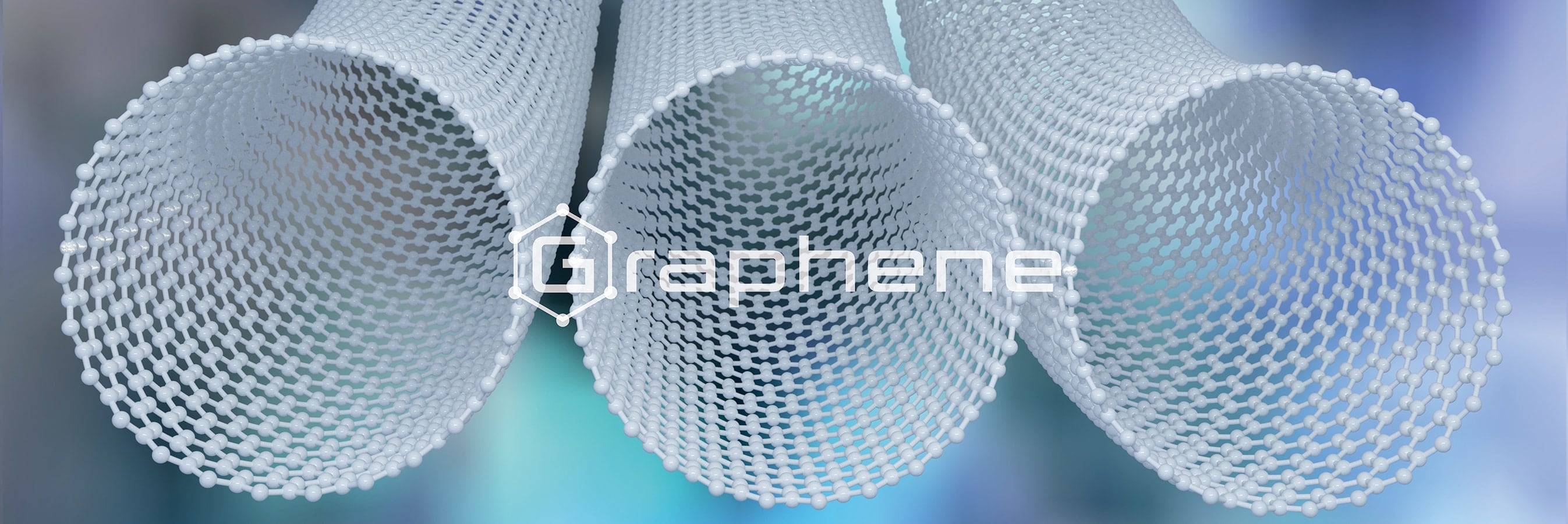
Graphene is a kind of two-dimensional honeycomb lattice anonstructure material consisted of allotrope of carbon in the form of sp2 hybridisation. Graphene was regarded as hypothetical structure which is unable to be isolated. Until 2004, Graphene was properly isolated from Graphite by physicists Andre Geim and Konstantin Novoselov at the University of Manchester. The work proved that Graphene can exist in isolation and won the two physicists the Nobel Prize in Physics in 2010.
Characteristics of Graphene
Graphene is a brand new material, featured thinness, high tensile strength, low resistivity, and high thermal and electrical conductivity. Soft and highly transparent it is, yet nitrogen molecule, the tiniest structure, cannot penetrate it, as its atom configuration is extremely compact. In recent years, Graphene and its derivatives are widely used in industries like Biomedical Science and Optics. Studies shown that Graphene can absorb up to 40% of Far Infrared.
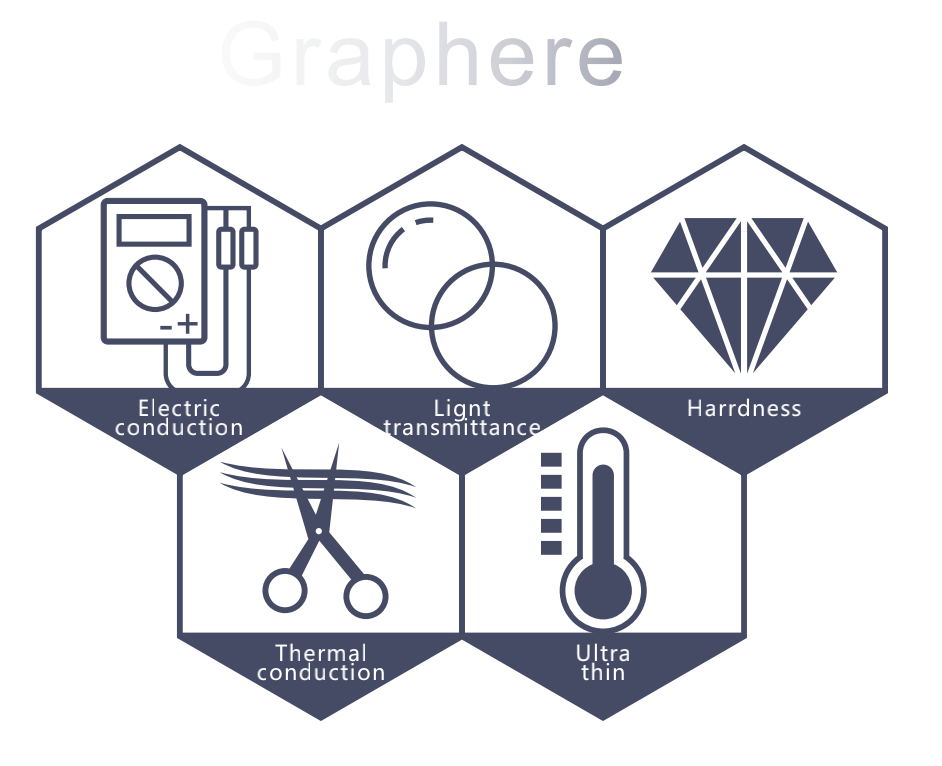
· Electric conduction
Specific resistance is approximately 10 Ω cm 1/100 of copper
· Light transmittance
Single layer can reach 98%
· Hardness
Stiffer than Diamond
100 times than the best steel in the world
· Thermal conduction
Thermal condcutive: up to 5300 W/m.K
12 times higher than the best conductive metal copper and silver
· Ultra thin
The thickness of single layer is only 0.335nm.
100,000 pieces of single layer graphere =1 hai r thickness
Specific suface area is up to 2630m per gram
Function of Graphene modified fiber

Graphene can increase skin temperature, help with the wellbeing
Far infrared emissivity:0.84

Graphene can destruct cell membrane of bacterium, in
order to leak their protein and kill them. Thus, Graphene is
used for sterilisation.

Graphene prevents static electricity, as its high electrical conductivity
disabled electric charge.